A burning smell after driving is one of those problems people try to identify with the windows down and the hood open. It might smell like hot oil, burnt rubber, overheated brakes, melted plastic, coolant, or something electrical. The car may still drive normally, which makes the decision harder. Is it something serious, or just heat coming off the engine after a long drive?
Hot weather makes that question more important. In places like Phoenix and Flagstaff, heat can push older parts harder, dry out rubber, raise underhood temperatures, and make small leaks or dragging components smell much stronger than they would on a cooler day. A burning smell is not something to ignore, especially if it keeps returning.
Hot Weather Makes Small Problems Easier To Smell
Every engine bay gets hot, but summer driving adds more heat to parts that are already working hard. The cooling system, brakes, belts, hoses, wiring, A/C system, and exhaust all deal with higher temperatures. If one of those parts is leaking, rubbing, sticking, or wearing out, the smell may show up after a drive.
A small oil seep that barely smelled in mild weather can stink when it lands on a hot exhaust manifold. A brake caliper that drags slightly can get hotter in traffic. A belt that is slipping may smell more like burnt rubber when the A/C is running. Heat does not always create the problem, but it can expose it.
The timing matters. A smell after highway driving points one direction. A smell after braking down a hill points another. A smell only with the A/C on gives a different clue.
Burning Oil Has A Sharp, Heavy Smell
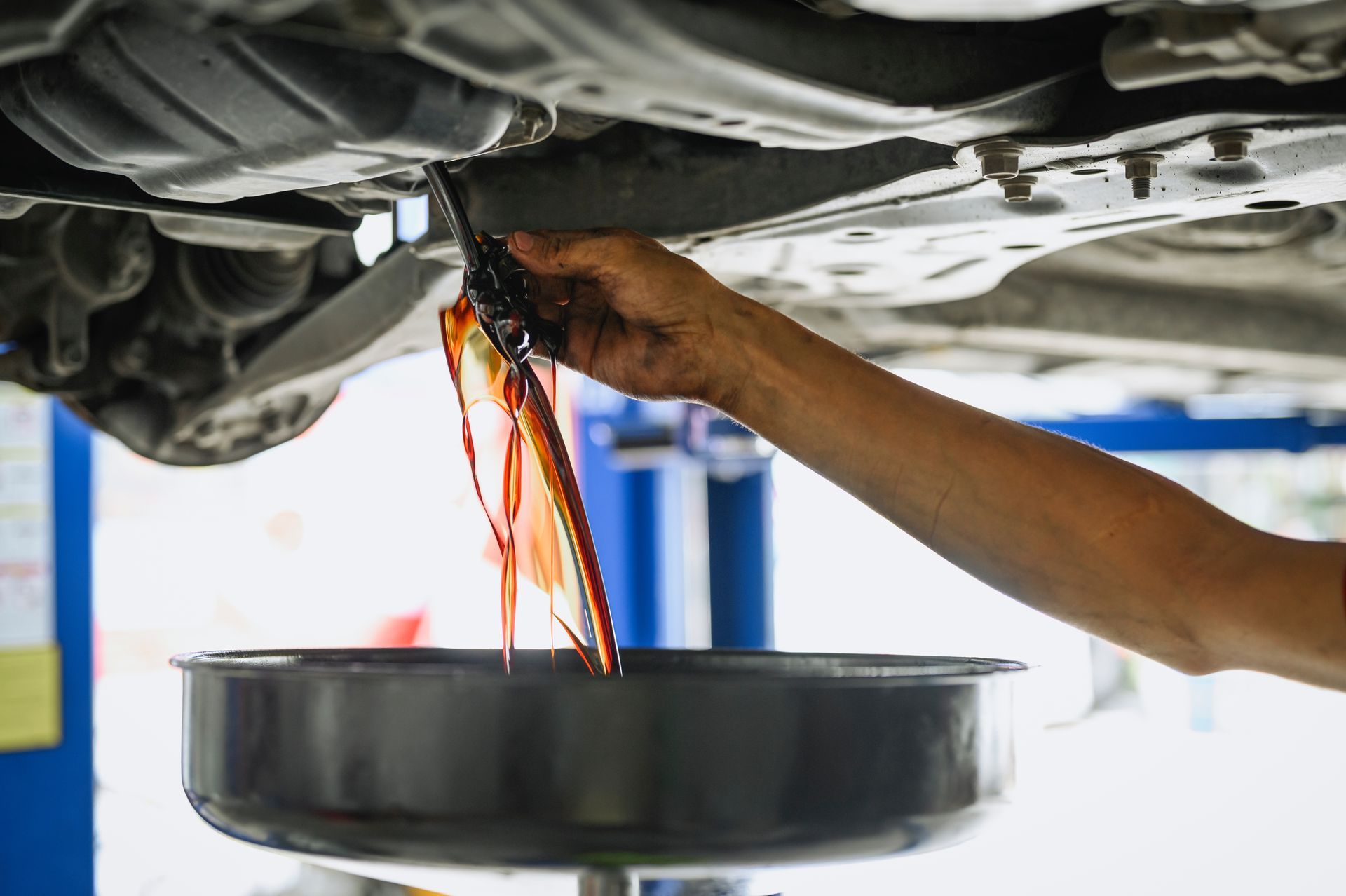
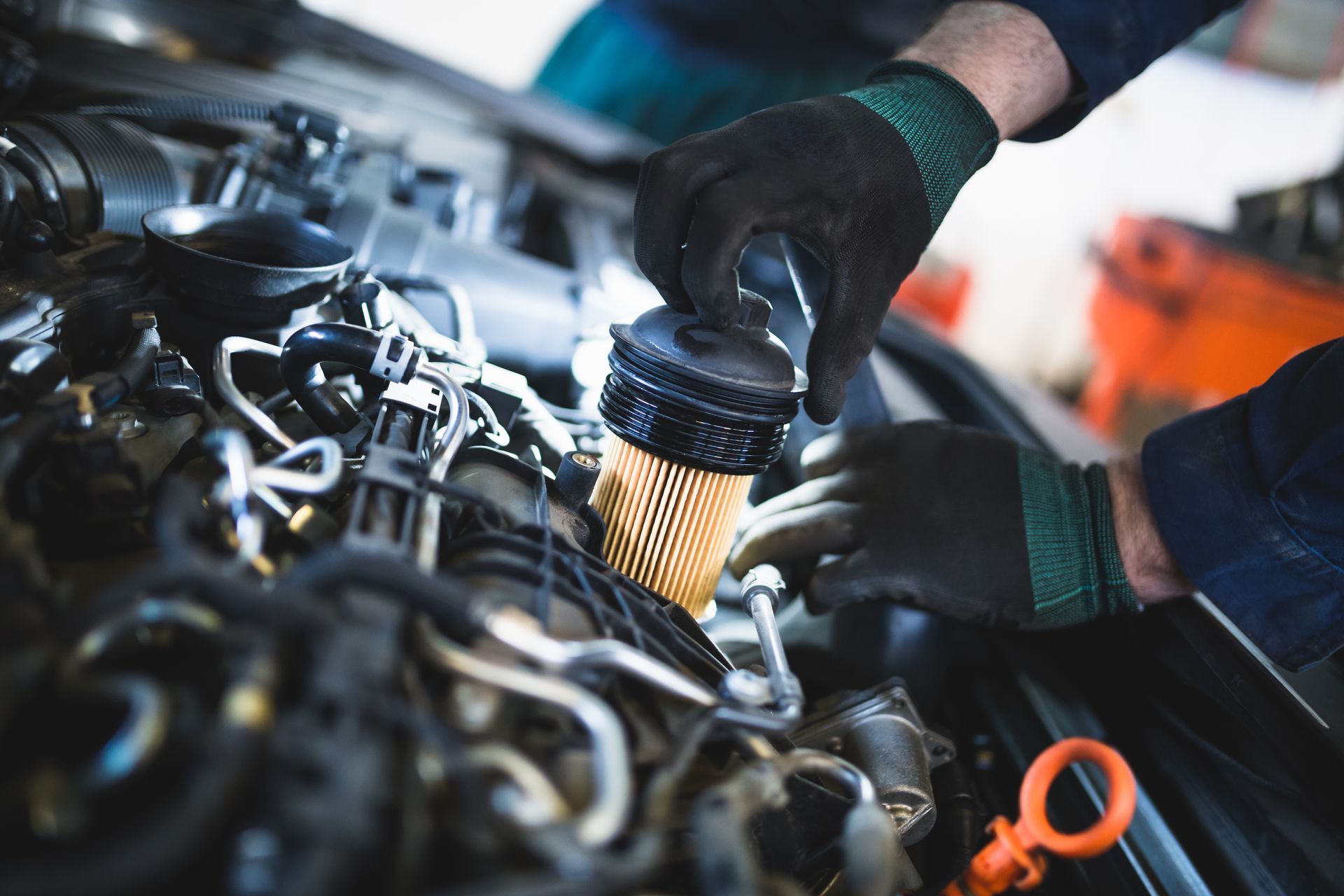
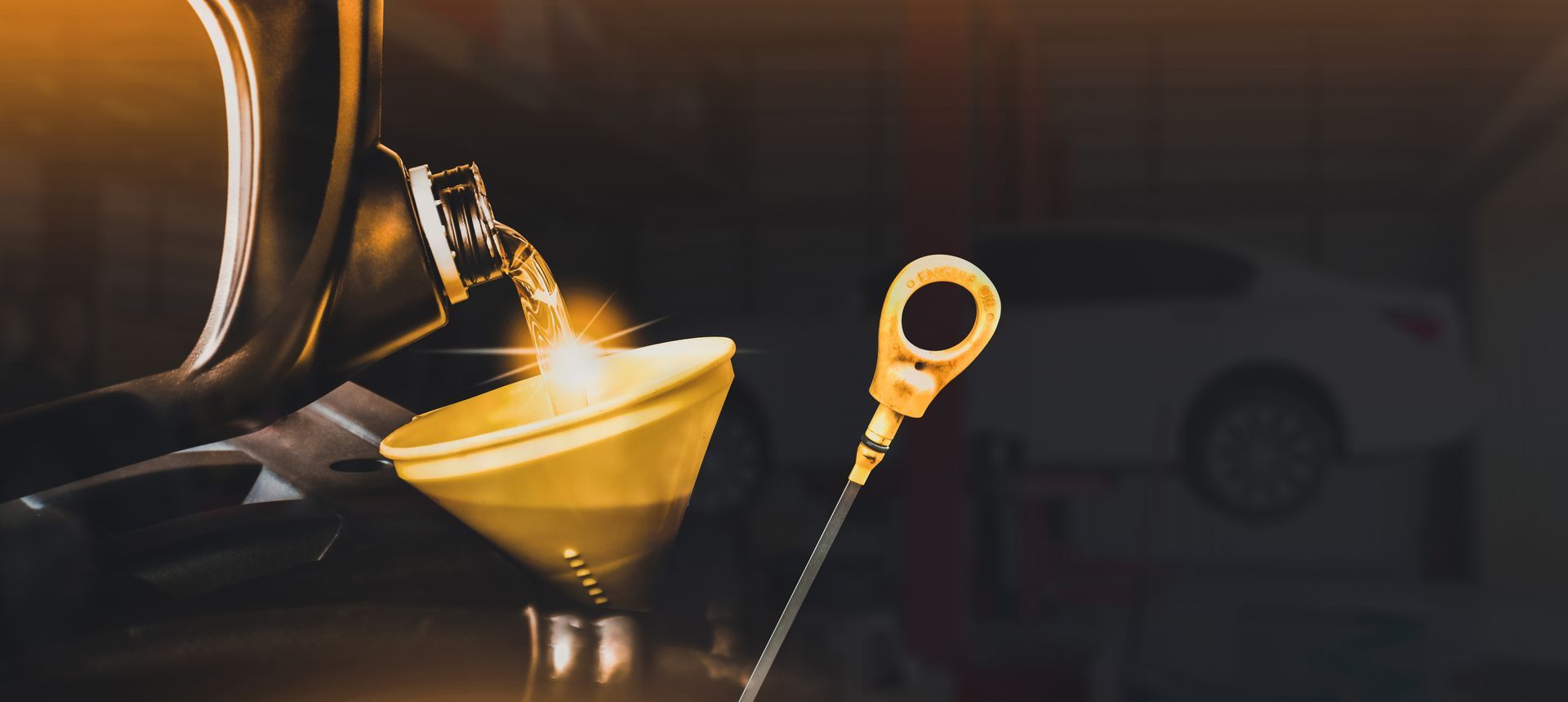
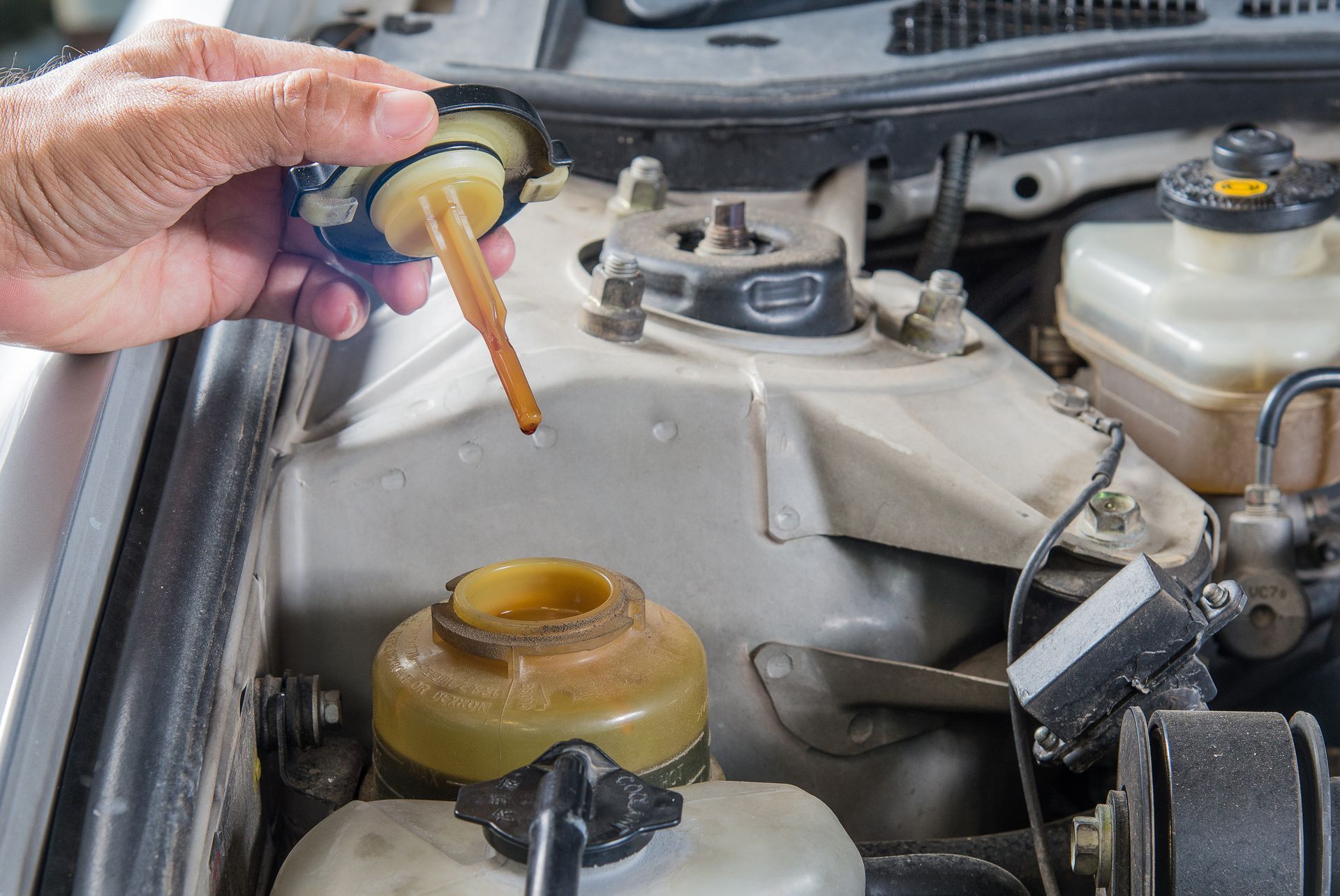
Burning oil is one of the more common smells drivers notice after parking. It can happen when oil leaks from a valve cover gasket, oil filter housing, oil pan, timing cover, or other seal and lands on hot engine or exhaust parts.
Sometimes the leak is small enough that it never leaves a puddle on the ground. Instead, the oil burns off before it drips. You may see light smoke from under the hood, oil residue around the engine, or a smell that gets stronger after longer drives.
Oil leaks should be checked even if the oil level is not dropping quickly. Oil can damage rubber mounts, belts, hoses, and electrical connectors. It can also get worse with heat and age. A small leak is much easier to plan around than one that starts smoking whenever the engine gets hot.
Dragging Brakes Can Smell Hot Fast
A burning smell near one wheel can point toward the brakes. Brake parts naturally get hot, but they should not smell strongly during normal driving. If one brake is dragging, the pad may stay partly pressed against the rotor even when you are not pressing the pedal.
That can happen from a sticking caliper, rusty slide pins, a swollen brake hose, a parking brake problem, or seized hardware. The smell may be sharp, dusty, or similar to overheated friction material. One wheel may feel much hotter than the others. The vehicle may pull, feel heavy, or show extra brake dust on one side.
This is a safety concern because dragging brakes can overheat pads, rotors, calipers, hoses, and wheel bearings. If the smell appears after normal driving rather than hard braking, the system needs an inspection.
Burnt Rubber And Belt Smells Have Their Own Clues
Burnt rubber can come from a slipping belt, a hose touching a hot surface, a tire rubbing, or a loose shield contacting something it should not. Under the hood, belts can slip if they are worn, loose, contaminated with oil, or overloaded by a failing pulley or accessory.
A belt smell may appear when the A/C turns on, during startup, or when steering load changes on vehicles with belt-driven accessories. You may also hear squealing, chirping, or ticking near the belt area.
Rubber hoses deserve attention too. A coolant hose, vacuum hose, or wiring loom that has shifted too close to the exhaust can start smelling before it fails. That early smell is a warning, not a minor inconvenience.
Sweet Smells Can Mean Coolant Is Leaking
Coolant has a sweet, chemical smell when it leaks and hits hot parts. Drivers may notice it after parking, while sitting in traffic, or when the heater or A/C is running. A coolant leak may leave crusty residue, steam, a low coolant level, or temperature changes.
Hot weather makes cooling system problems more serious because the engine already has less room for error. A small coolant leak can lead to overheating if the level drops too far. Hoses, radiator tanks, water pumps, thermostats, heater hoses, and pressure caps can all be involved.
Topping off coolant may help temporarily, but it does not explain where the coolant went. If the smell keeps coming back, the leak needs to be found.
Electrical Smells Need Immediate Attention
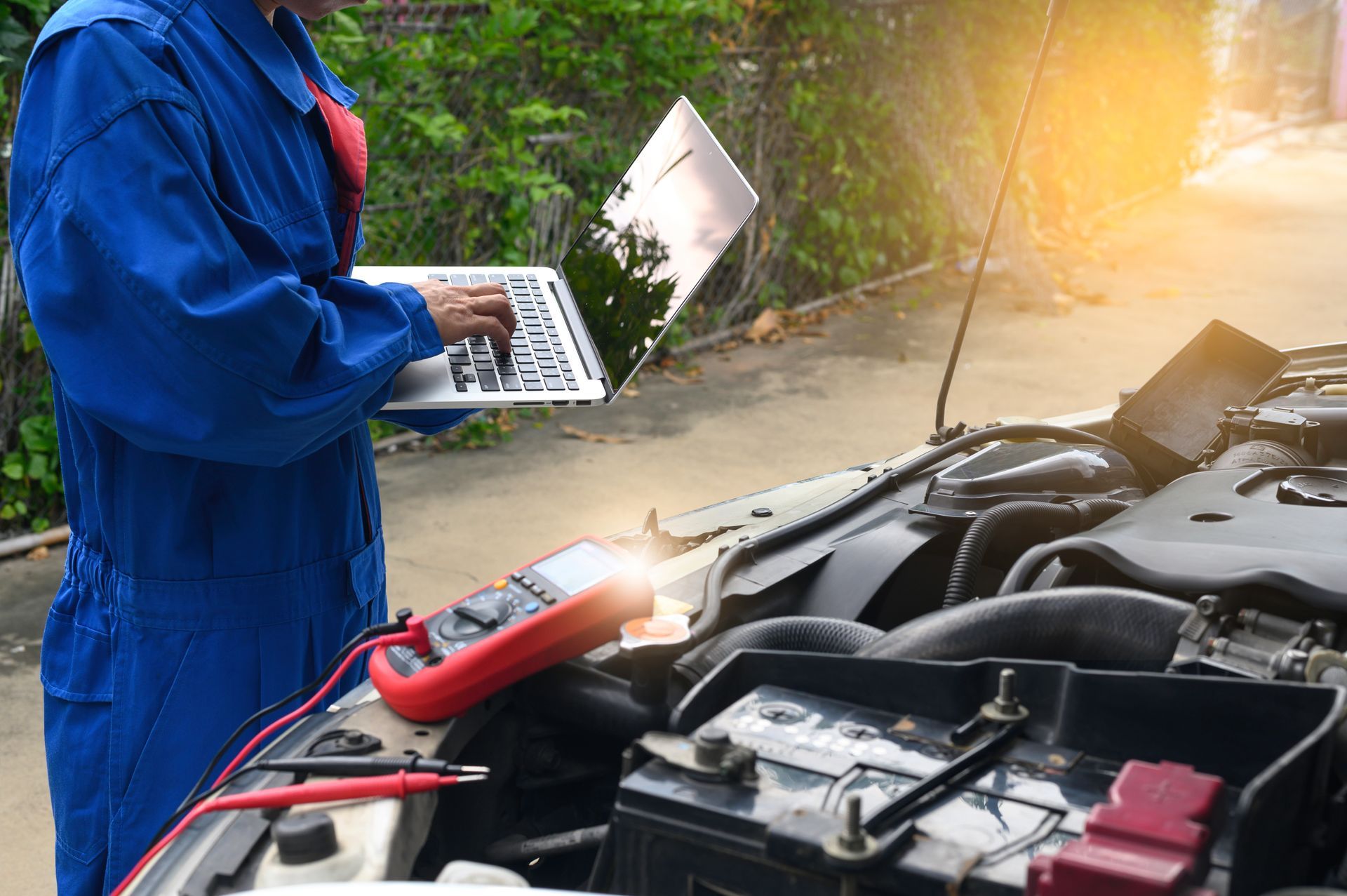
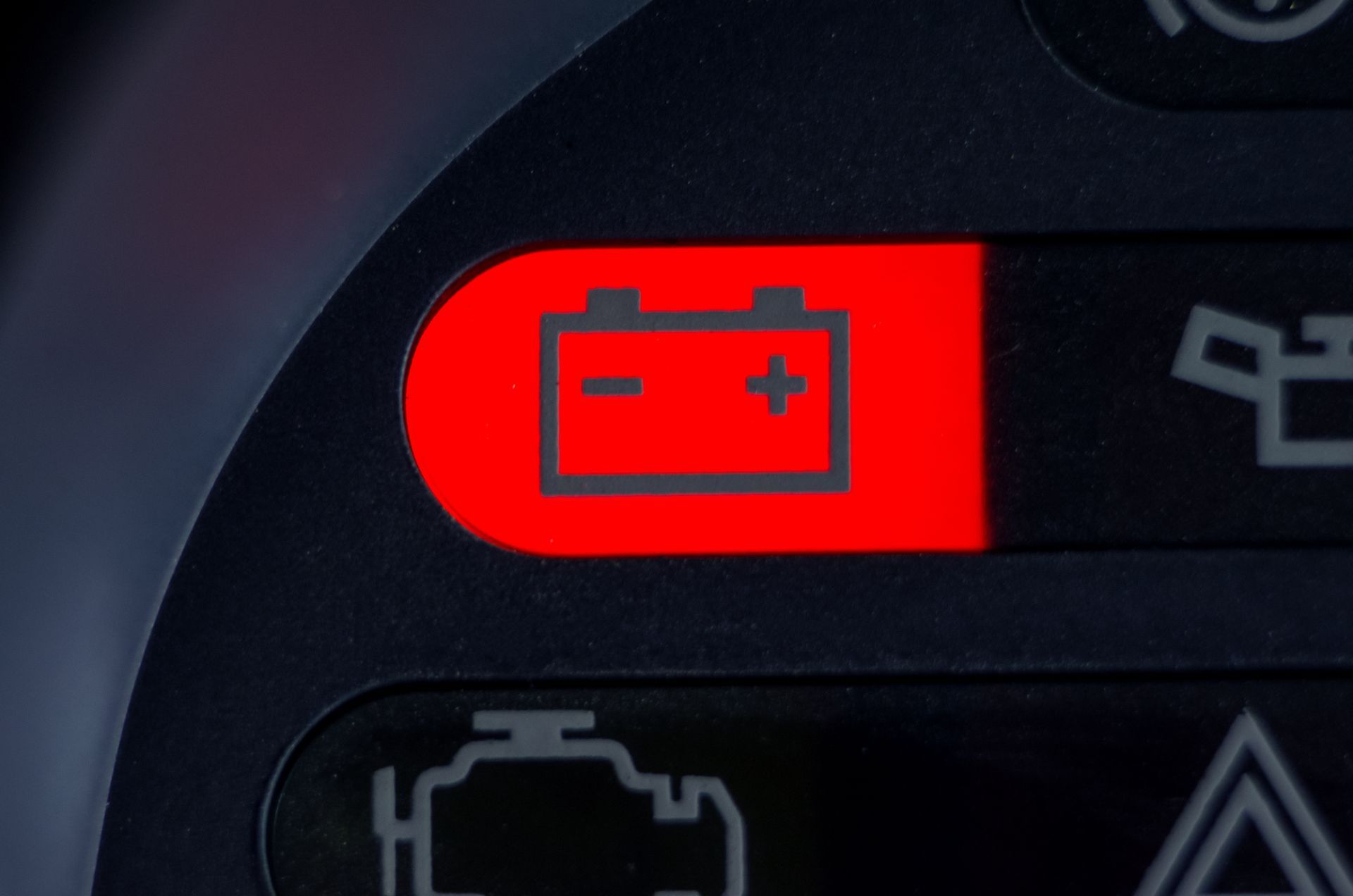
An electrical burning smell is different from an oil or brake smell. It may smell like hot plastic, melted insulation, or a sharp chemical odor. Flickering lights, warning messages, blown fuses, non-working accessories, or smoke make it more urgent.
Electrical smells can come from wiring, connectors, blower motors, alternators, relays, switches, or aftermarket accessories. Heat can make weak connections worse because resistance generates more heat, which can damage plastic and insulation.
If the smell is strong, smoke is visible, or electrical parts stop working, it is safer to stop driving and have the vehicle checked. Electrical heat can become dangerous quickly.
What To Notice Before Service
The smell itself gives clues, but the details around it help even more.
- A smell from one wheel after normal driving may indicate a dragging brake, especially if that wheel feels hotter than the others or the car pulls slightly.
- A smell from under the hood after a longer drive can point toward oil, coolant, belts, hoses, wiring, or a leak touching a hot engine part.
- A smell that occurs only when the A/C is on may be due to belt load, cooling fan operation, compressor strain, wiring, or heat around the condenser.
- A smell with smoke should be treated more seriously because oil, coolant, rubber, or electrical insulation may already be burning on a hot surface.
- A smell that disappears and returns repeatedly still deserves attention because intermittent problems often get worse as heat, vibration, and age continue working on the part.
- Good regular maintenance helps catch leaks, worn belts, weak hoses, brake drag, and electrical trouble before heat makes them obvious.
Get Burning Smell Diagnostics In Phoenix And Flagstaff, AZ, With Randy's Downtown Garage
If your vehicle smells like burning oil, rubber, brakes, coolant, plastic, or electrical parts after driving in hot weather, Randy's Downtown Garage in Phoenix and Flagstaff, AZ, can check the engine bay, brakes, belts, hoses, cooling system, wiring, and leaks.
For burning smell diagnostics before heat turns a small warning into a bigger repair,
contact us to schedule an appointment.
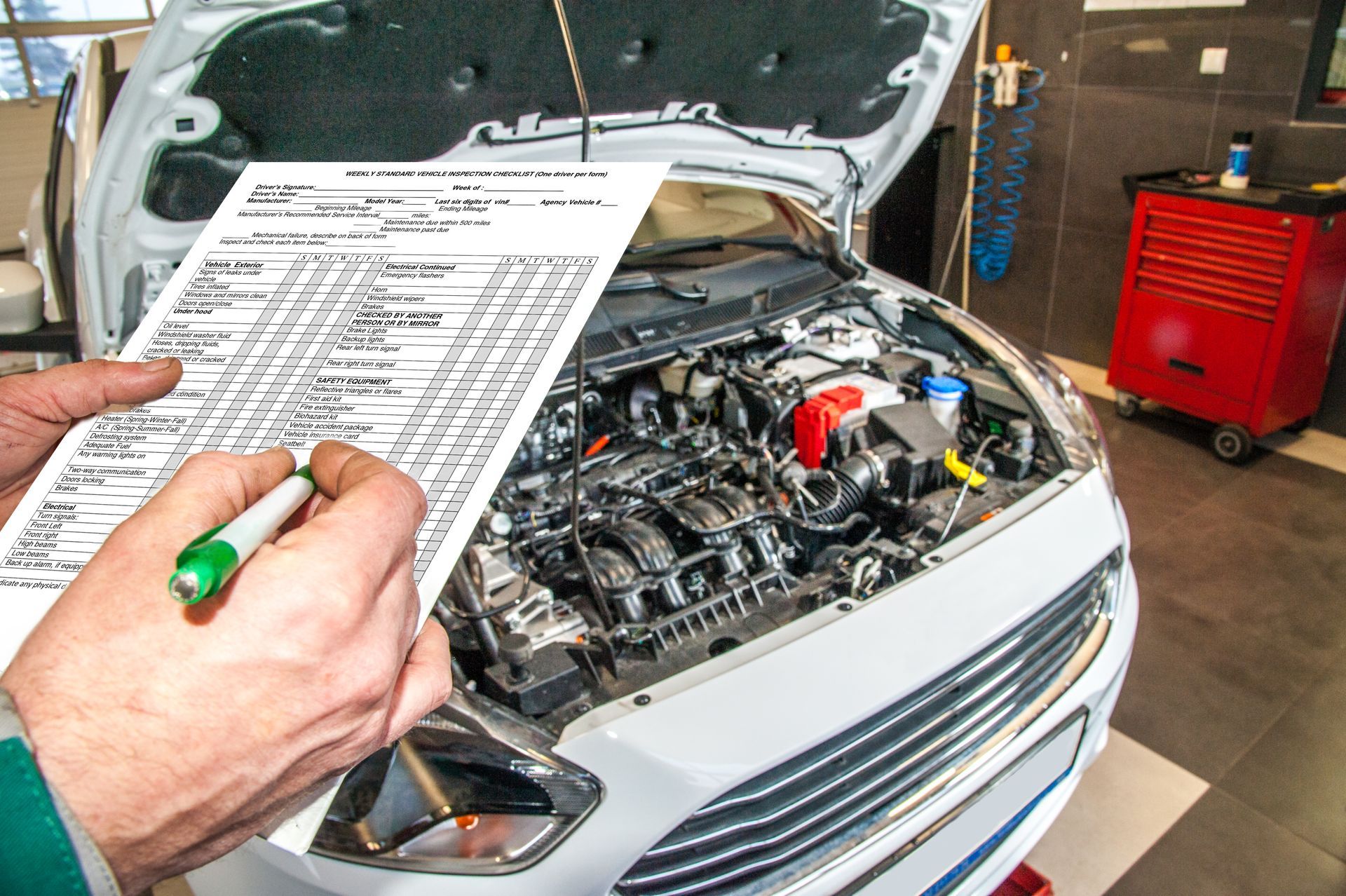
What Our Technicians Check During Car Inspections For Vehicles Driven In Arizona Heat And Long Miles