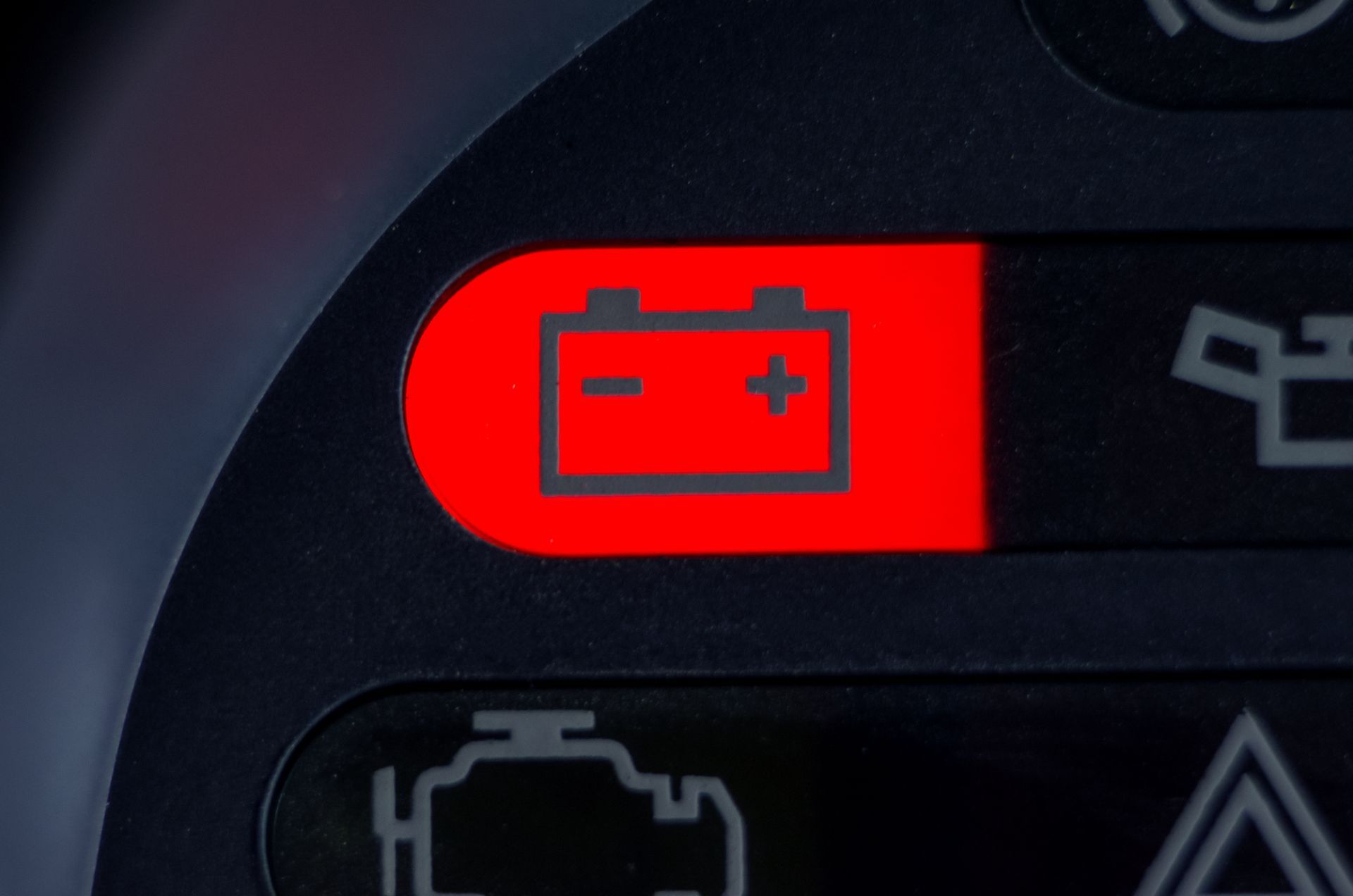
A check engine light can come on without much warning, and it does not always have clear symptoms. The car may still drive fine, which makes it easy to ignore or put off. At the same time, that small light can represent anything from a minor issue to something that needs attention sooner rather than later.
That is where a professional check engine light diagnostic becomes important. It removes the uncertainty from the situation and replaces it with clear, usable information.
Why The Check Engine Light Alone Is Not Enough
The light itself is only an alert. It tells you something is outside the expected range, but it does not explain why. Many drivers assume the light points directly to a bad part, but that is not how the system works.
A fault code usually identifies a system or condition. Without further testing, replacing parts based on that code can lead to wasted time and unnecessary expense.
How A Professional Diagnostic Goes Beyond A Code Scan
A proper diagnostic process starts with reading stored codes, but it does not stop there. It also examines live data, sensor readings, and how different systems interact in real time.
That added layer of testing helps confirm whether the issue is coming from a sensor, wiring, mechanical component, or a combination of factors. It is the difference between reacting to a symptom and identifying the real cause.
Why Accurate Diagnostics Prevent Unnecessary Repairs
Without a full diagnostic approach, it is easy to replace parts that are not actually failing. For example, a code related to the fuel mixture could be caused by airflow issues, fuel delivery problems, or a vacuum leak.
Accurate diagnostics narrow that down. That keeps the repair focused and helps avoid replacing parts that would not have solved the problem in the first place.
How Diagnostics Help With Intermittent Problems
Some issues do not show up consistently. The light may turn on and off, or the symptoms may come and go. Those situations can be frustrating because they are harder to track without proper testing.
A professional diagnostic can capture stored data from the time the fault occurred and compare it with current readings. That helps identify patterns and conditions that triggered the problem, even if it is not happening at that exact moment.
What A Diagnostic Can Reveal About Engine Performance
Diagnostics do more than explain warning lights. They can also show how well the engine is running overall. Changes in fuel trim, sensor response, and system balance can point to issues that are still developing.
Catching those early signs helps prevent larger problems. A small imbalance in one system can affect others over time if left unchecked.
Why Timing Matters With Check Engine Light Issues
Waiting too long can allow a small issue to affect additional components. For example, a misfire can cause damage to the catalytic converter if it persists long enough.
Regular maintenance and early inspection help reduce that risk. Addressing the problem when the light first appears gives you a better chance of keeping the repair limited.
When To Schedule A Diagnostic Inspection
If the check engine light is on, flashing, or cycling on and off, it is time to have the vehicle checked. Even if the car appears to be driving normally, the system has already detected a problem.
A proper inspection helps determine whether the issue is minor or requires immediate attention. It also gives you a clear plan for what to do next instead of relying on assumptions.
Get Check Engine Light Service In Arizona, With Randy's Downtown Garage
If your check engine light is on and you want more than a code scan and a guess, Randy's Downtown Garage in Phoenix and Flagstaff, AZ, can pinpoint the cause and help you address the real issue.
That is the best way to keep a warning light from turning into a longer repair list.
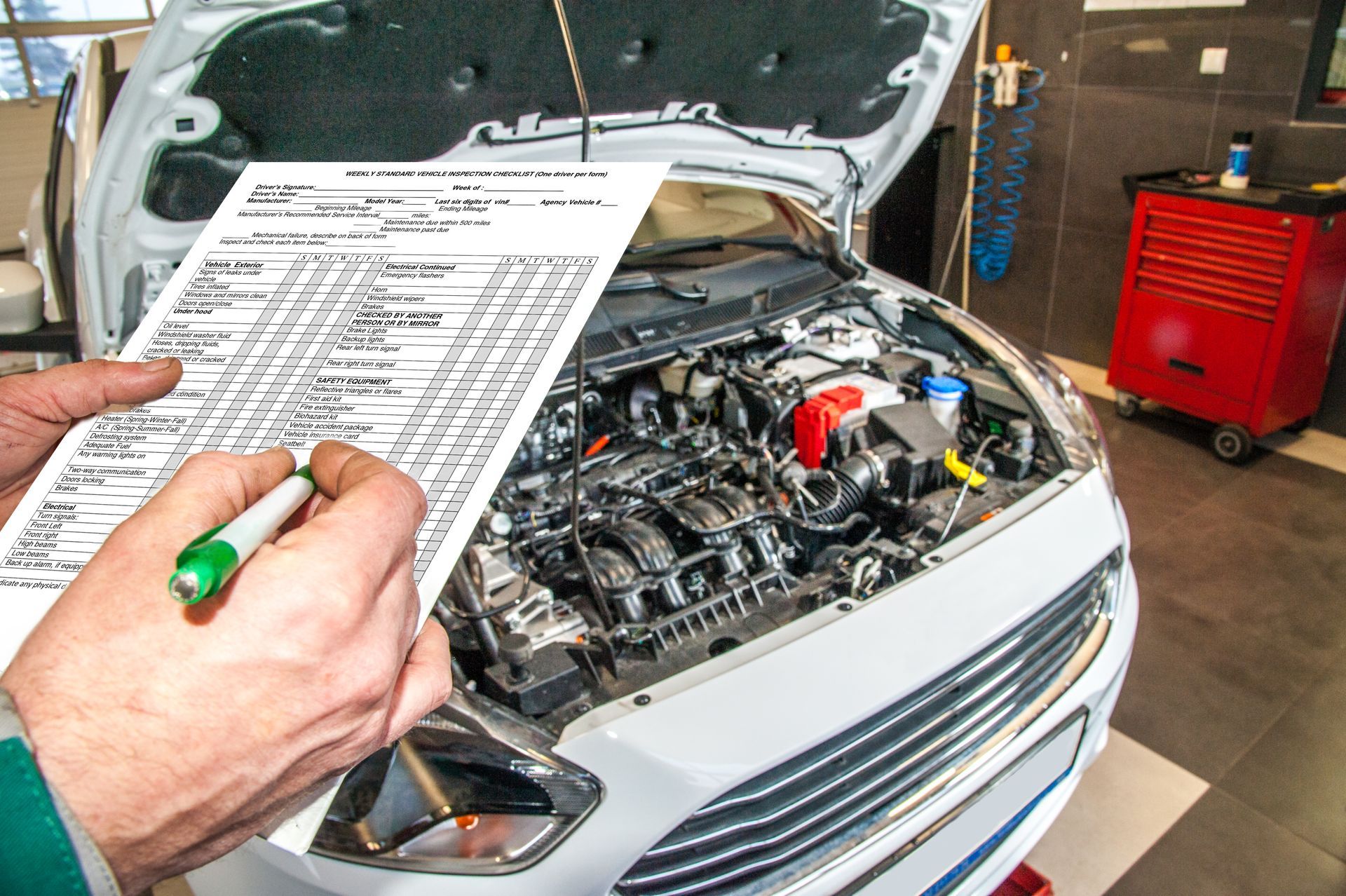
What Our Technicians Check During Car Inspections For Vehicles Driven In Arizona Heat And Long Miles