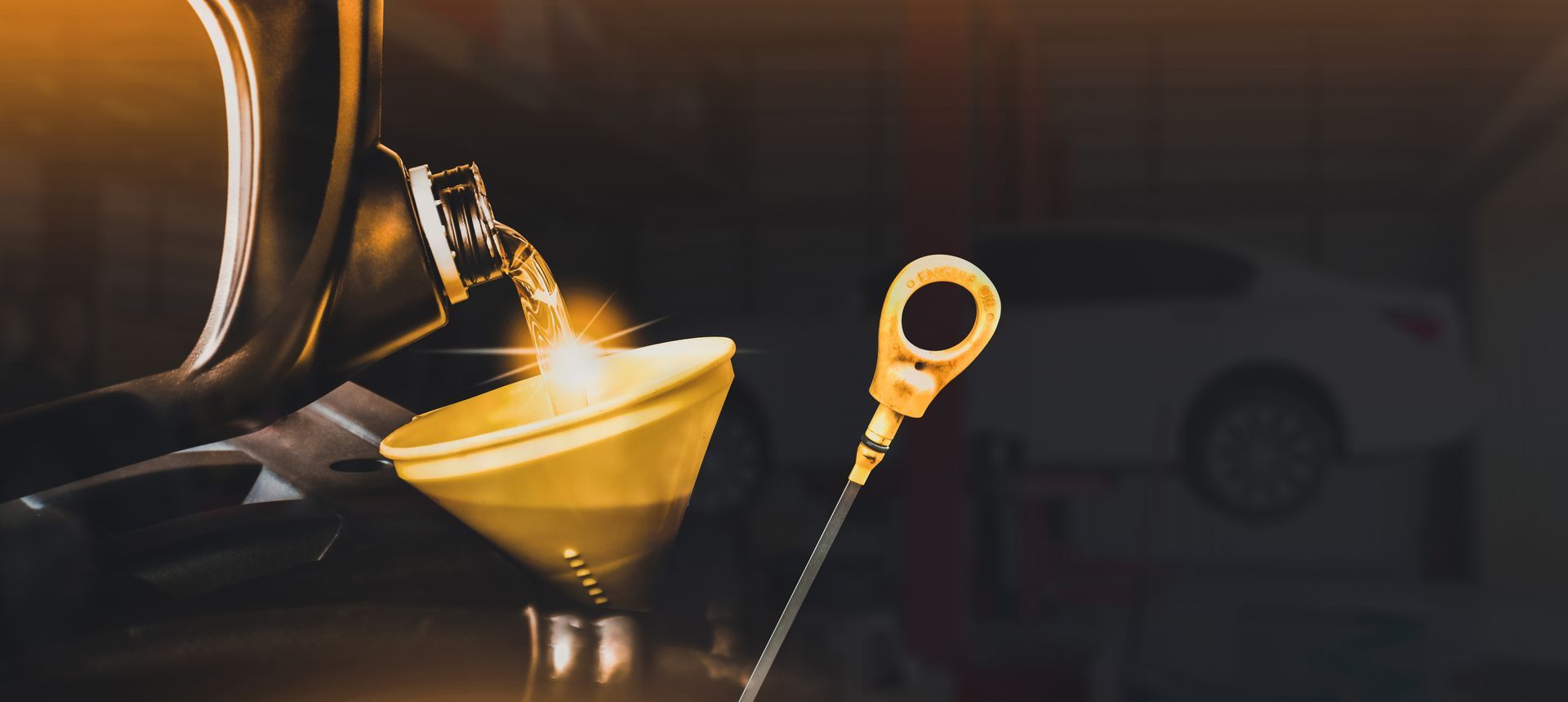
Hydraulic power steering fluid does need periodic attention, although replacement intervals vary by vehicle. The fluid transfers pressure from the power steering pump to the steering gear or rack, lubricates internal parts, controls heat, and protects seals from wear.
Over time, heat and pressure break down the fluid’s additives. It can also collect microscopic metal particles, rubber material, moisture, and contamination from aging hoses or seals. Old fluid may still provide steering assistance, but it no longer protects the pump, valves, and steering gear as effectively as fresh fluid that meets the correct specification.
What Hydraulic Power Steering Fluid Does
A hydraulic power steering system uses an engine-driven pump to pressurize fluid. When the steering wheel turns, a control valve directs pressure to one side of the steering rack or steering gear. That pressure reduces the effort needed to move the front wheels.
The fluid also lubricates the pump vanes, bearings, control valves, and internal rack components. It carries heat away from loaded surfaces and helps seals remain flexible. Low, contaminated, or incorrect fluid can increase friction, noise, and operating temperature throughout the system.
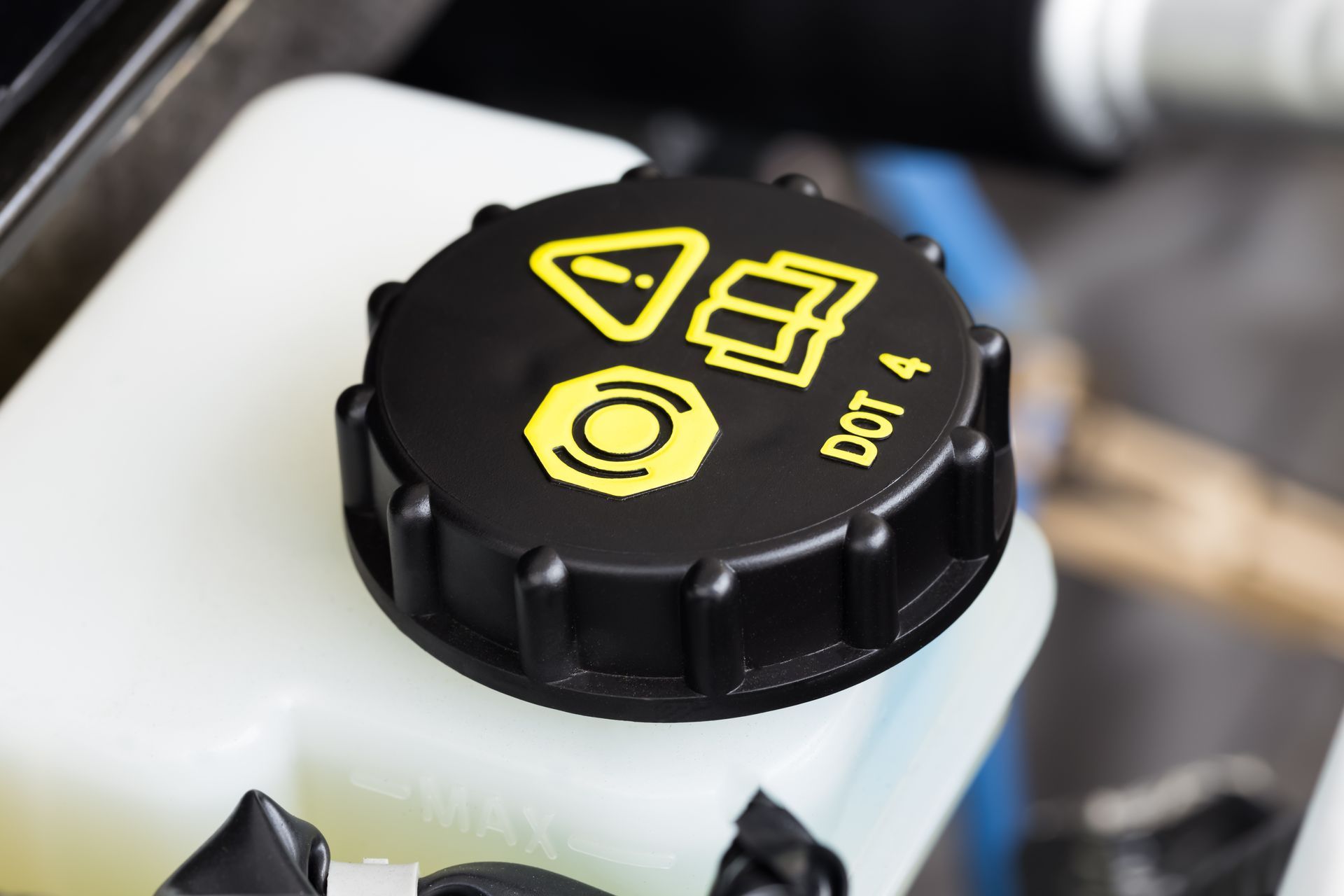
Some vehicles use automatic transmission fluid in the power steering system, while others require a dedicated hydraulic fluid. Products with similar color or viscosity are not automatically interchangeable. The reservoir cap, owner’s manual, or factory service information identifies the correct specification.
Why Power Steering Fluid Deteriorates
Power steering fluid operates under substantial pressure and repeatedly circulates through the pump, hoses, and steering gear. Heat gradually oxidizes the fluid and weakens additives designed to control wear, corrosion, foaming, and seal deterioration.
Wear particles can enter the fluid as the pump and steering gear age. Rubber material may also come from deteriorating hoses and internal seals. Contaminated fluid can become dark, develop a burned odor, or contain visible debris.
Fluid appearance provides useful information, but color alone does not establish whether service is required. Some approved fluids are naturally dark, while others change color quickly without losing all protective performance. Vehicle requirements, service history, contamination, and system condition should guide the recommendation.
When Should The Fluid Be Changed?
Some manufacturers specify a time or mileage interval for power steering fluid. Others recommend checking the level and condition without publishing a routine replacement schedule. When no interval is listed, the fluid should still be evaluated during regular maintenance.
Service may be appropriate when the fluid is contaminated, has a burned odor, contains debris, or has been exposed to excessive heat. It should also be considered when the system has been opened for pump, hose, rack, or steering gear replacement.
Driving conditions influence fluid life. High outdoor temperatures, frequent low-speed steering, repeated parking maneuvers, heavy vehicle loads, and long periods of idling can increase system heat. A vehicle used under these conditions may need attention earlier than one driven mostly on open roads.
Signs The System Needs Attention
Old fluid does not always create an immediate symptom. Problems often become noticeable after the fluid level drops, air enters the system, or internal wear has already developed.
Warning signs include:
- Whining while turning
- Steering that feels heavy at low speed
- Foam or bubbles in the reservoir
- Fluid leaking beneath the front of the vehicle
- A burning odor after driving
- Steering effort that changes unexpectedly
- Dark fluid with visible particles
- A reservoir level that repeatedly falls
A whining pump does not automatically mean fluid replacement will correct the problem. Low fluid, air entry, a restricted hose, a slipping drive belt, internal pump wear, or a failing steering gear can produce similar symptoms.
Why Topping Off Is Not Enough
Adding fluid restores the level, but it does not remove degraded fluid or repair the leak that caused the loss. Hydraulic power steering systems are not designed to consume fluid during normal operation. A reservoir that repeatedly needs fluid has an external leak or an internal fault allowing fluid to move somewhere it should not.
Common leak areas include:
- Pump shaft seals
- Pressure and return hoses
- Hose crimps and fittings
- Reservoir seals
- Steering rack end seals
- Steering gear seals
- Fluid coolers and connecting lines
An inspection should locate the source before fluid loss damages the pump. Running the system low can pull air into the hydraulic circuit, causing foaming, noise, reduced assistance, and rapid wear.
Fluid Exchange Versus Component Repair
A fluid exchange removes old fluid and replaces it with the correct product. Depending on the system, technicians may use approved equipment or a controlled drain-and-refill procedure while preventing the reservoir from running dry.
The system may then require bleeding to remove trapped air. Air remaining in the fluid can cause pump noise, irregular assistance, and foaming. Some vehicles require a specific steering sequence, front-wheel position, engine condition, or vacuum bleeding procedure.
Fluid service cannot repair worn pump bearings, damaged seals, restricted hoses, or internal rack wear. When metal debris is present, or the pump is already failing, the repair plan may include component replacement and flushing contaminated fluid from the remaining system.
Do Electric Power Steering Systems Use Fluids?
Many newer vehicles use electric power steering. These systems use an electric motor mounted on the steering column or rack and do not have a hydraulic pump, reservoir, or power steering fluid.
Other vehicles use electro-hydraulic steering, where an electric motor drives a hydraulic pump. Those systems still contain fluid and may have service requirements.
Drivers should confirm which design their vehicle uses before searching for a reservoir or adding any product. Pouring fluid into the wrong container can damage the brake, cooling, or washer system.
Get Power Steering Fluid Service In Phoenix And Flagstaff, AZ, With Randy's Downtown Garage
Randy's Downtown Garage serves drivers in Phoenix and Flagstaff, Arizona. Our team can check the condition of the power steering fluid, locate leaks, test pump operation, inspect hoses, and evaluate steering effort or noise.
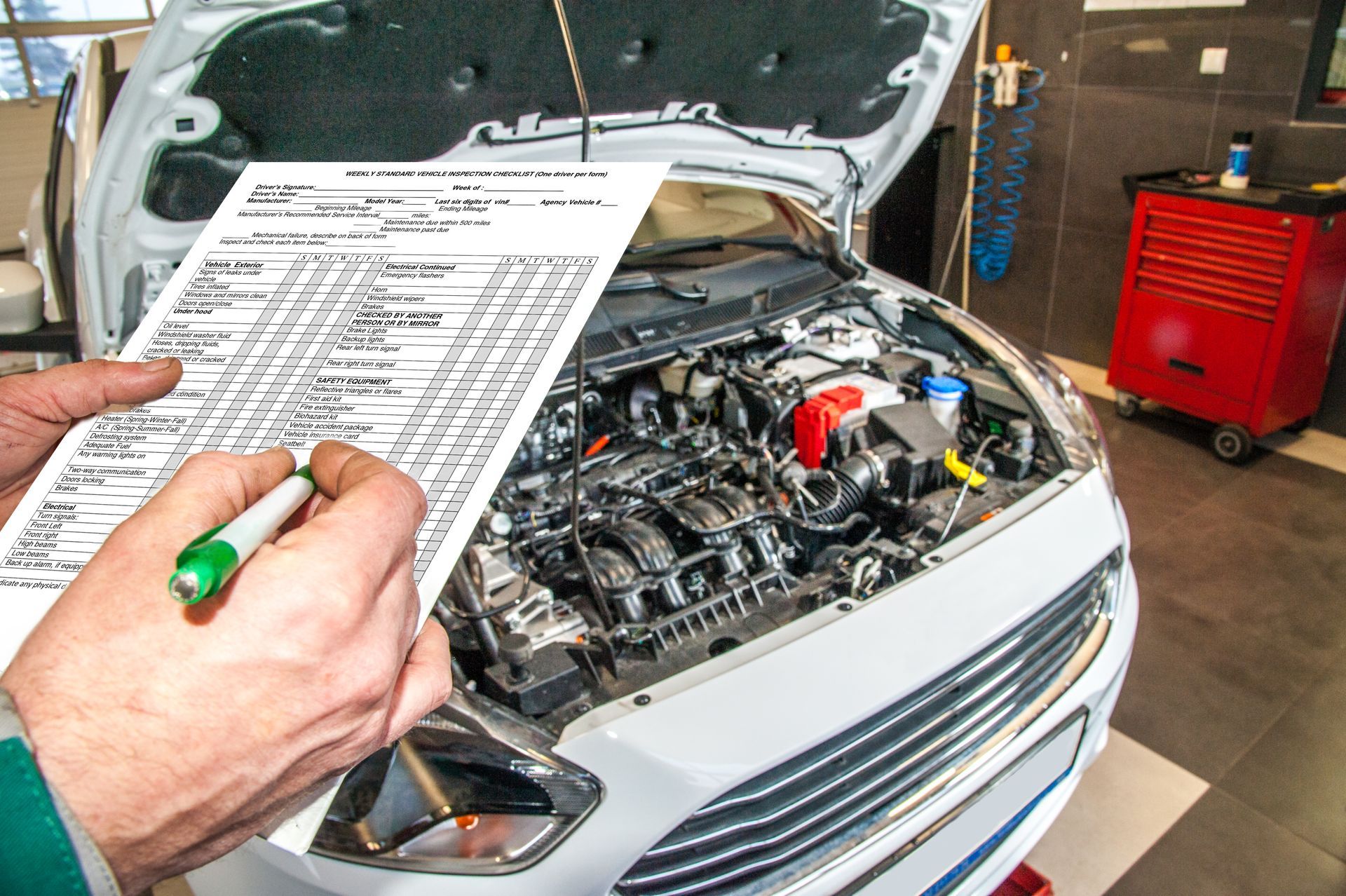
What Our Technicians Check During Car Inspections For Vehicles Driven In Arizona Heat And Long Miles