You open the manual, find the maintenance chart, and it looks easy until you hit the footnotes. Then you get a dealership quote that feels padded, plus a friend says they never follow the schedule and their car is fine. Most drivers end up either overbuying services out of caution or skipping things until a warning light forces the issue.
There's a middle path that keeps your car happy without buying fluff.
What The Manual Is Really Saying
Factory schedules are built around averages. The manufacturer assumes a certain mix of highway driving, steady warm-ups, and clean operating conditions, and then sets mile and time intervals that broadly protect the vehicle. That works well as a baseline, but it does not always match how real people drive.
The manual also groups tasks in a way that can feel confusing. Some items are true replacements, like filters and plugs, while others are checks, like looking for leaks or worn components. If you treat every line item like an automatic purchase, you can spend a lot more than you need to.
Normal Versus Severe Service
Most manuals have a normal schedule and a severe schedule, and severe is more common than people think. Short trips, long idles, repeated stop-and-go, lots of dust, steep grades, and frequent high heat all count as tougher use. Those conditions can shorten fluid life and wear parts faster, even if the car still feels fine day to day.
If you're in that category, the normal chart can leave you behind without realizing it. We've seen drivers who swear they drive gently, but their routine is hard on oil, brakes, and cooling systems. The schedule you follow should match your routine, not the version of driving the manual imagined.
The Services That Pay Off The Most
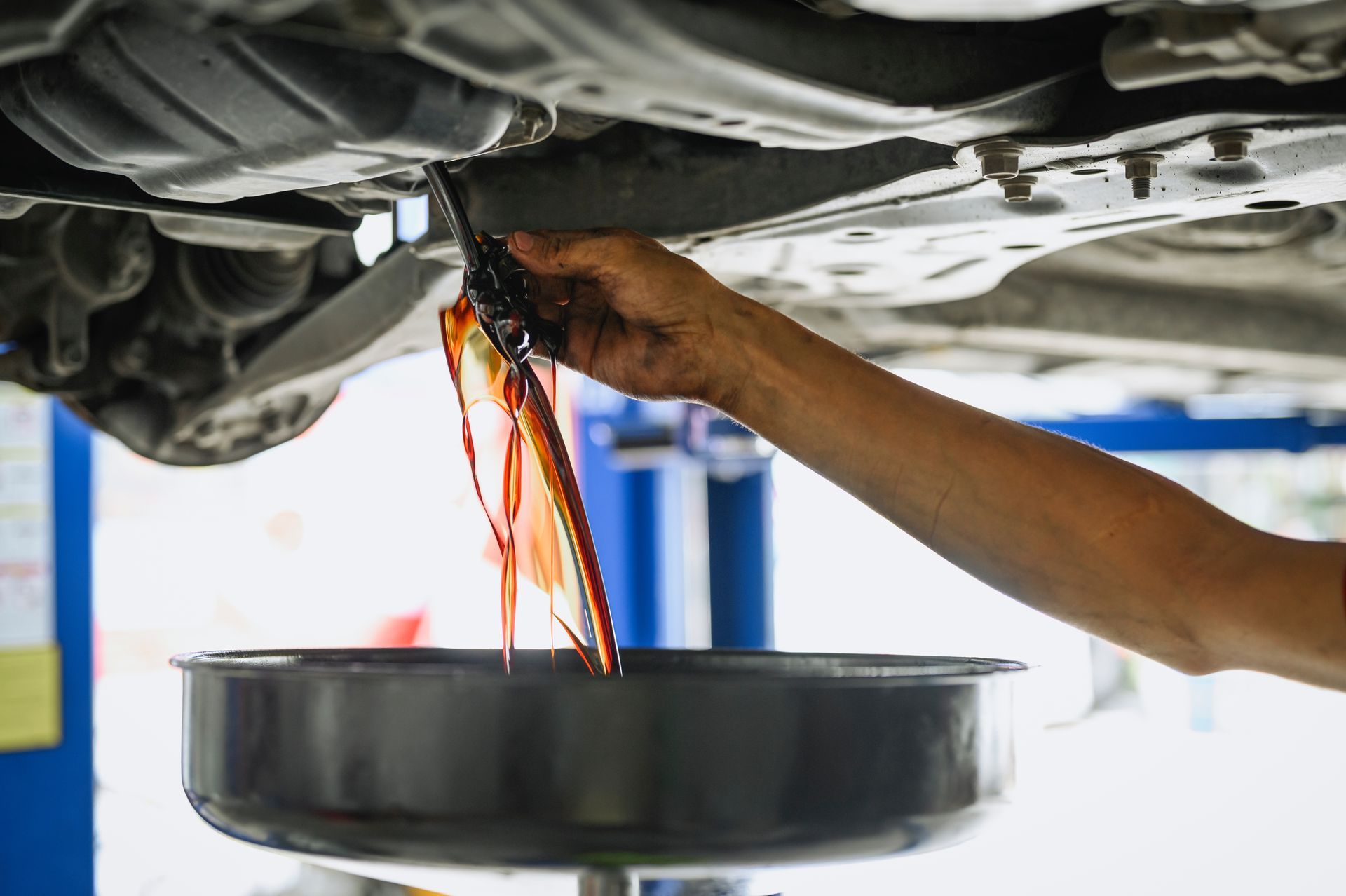
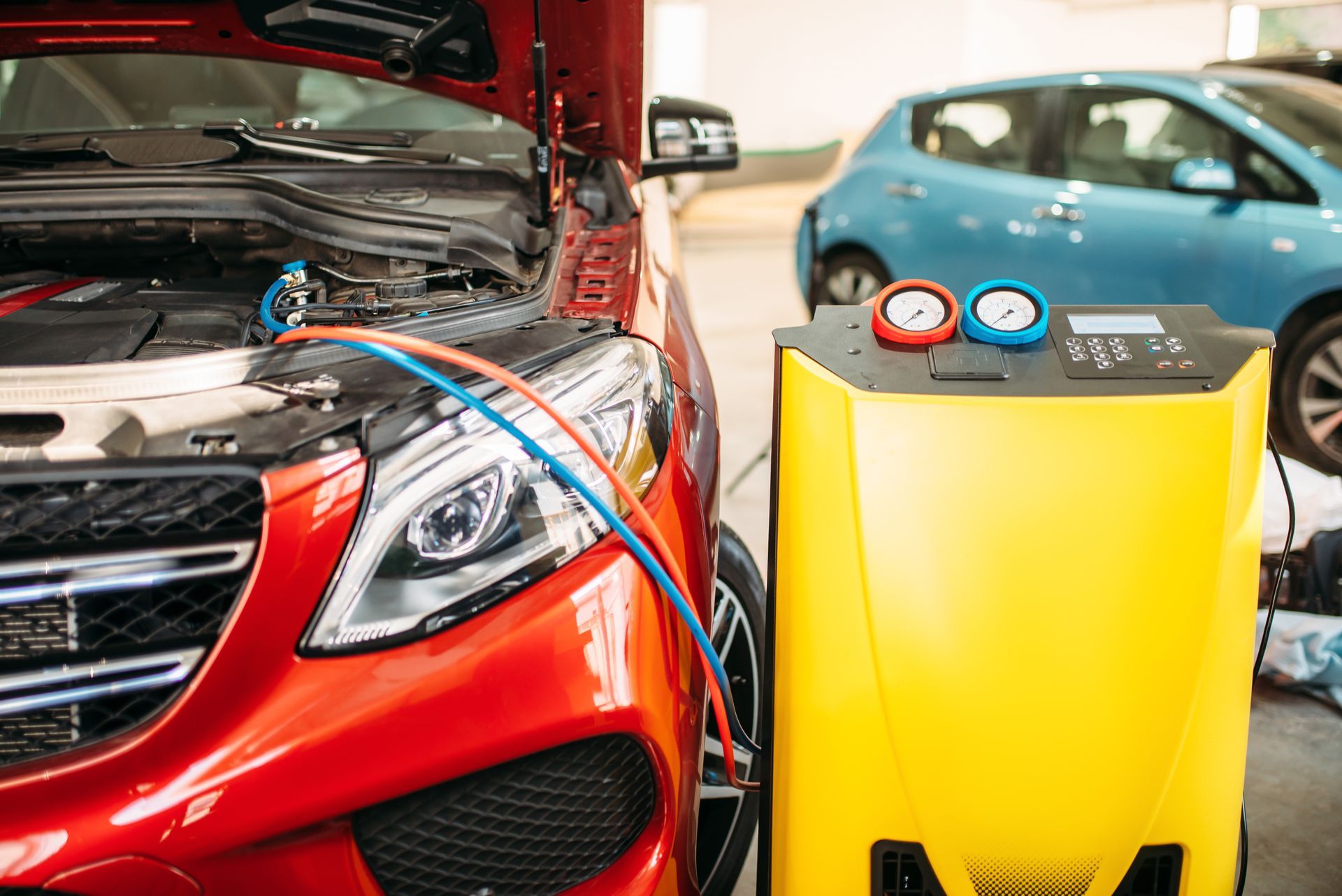
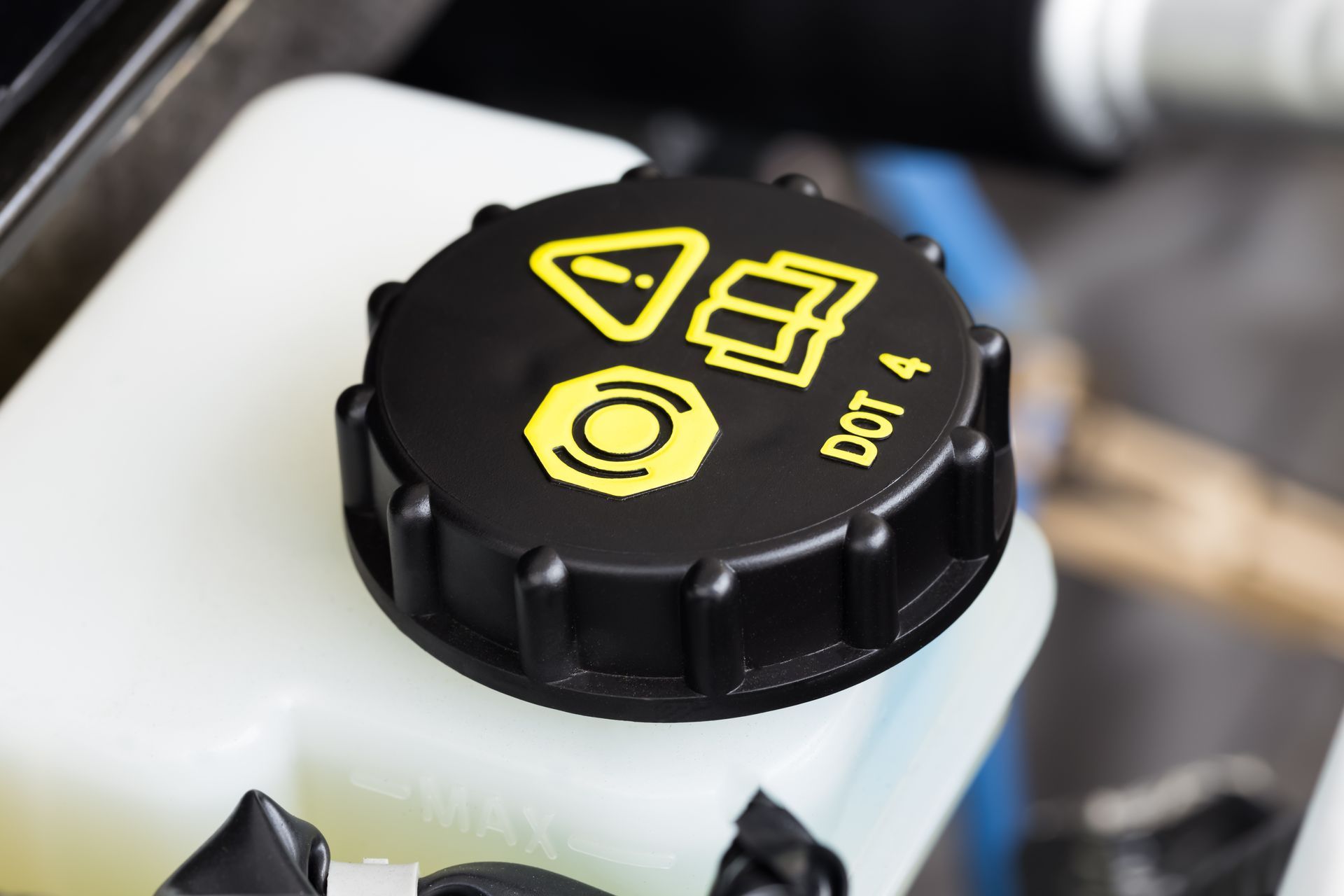
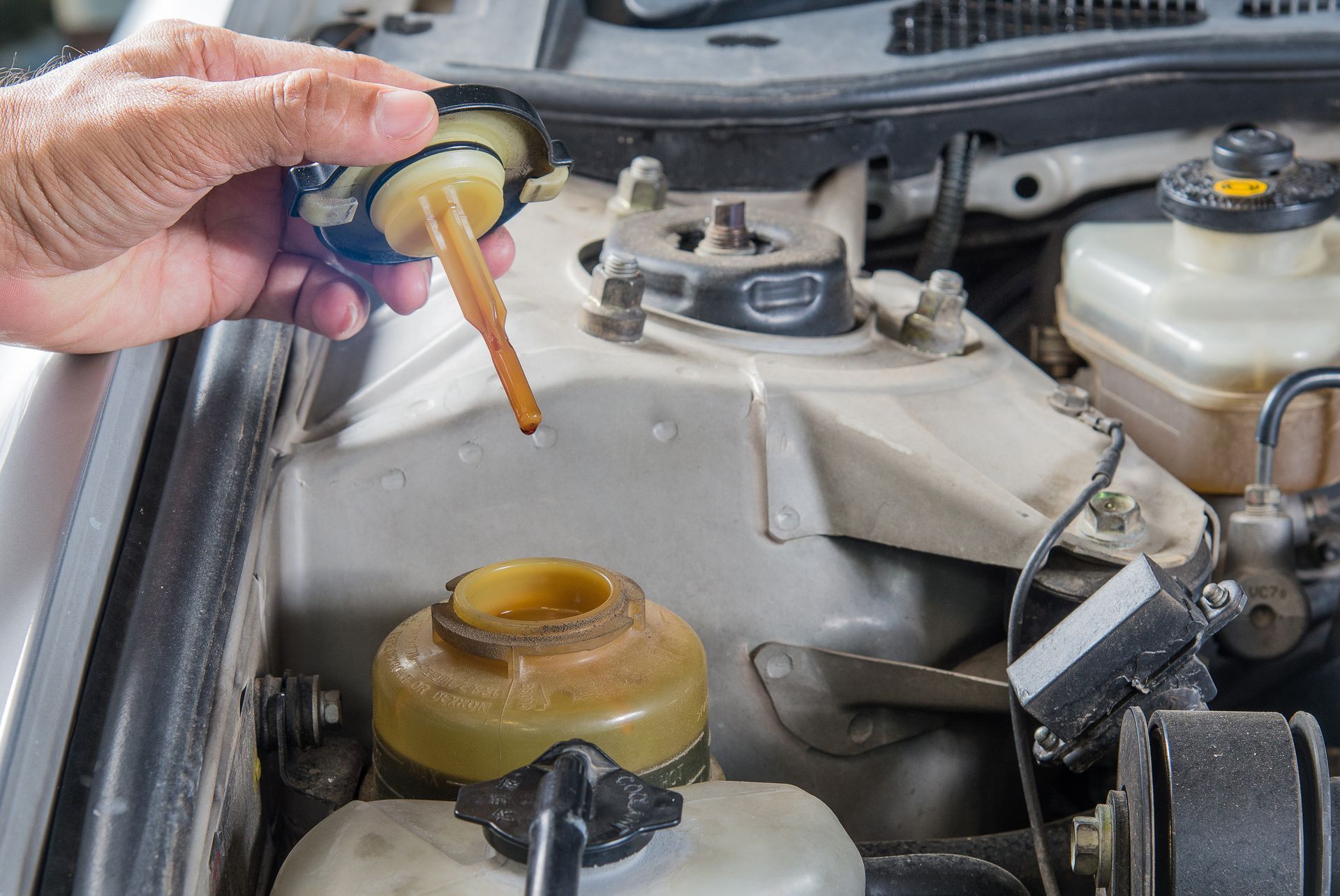
Some items give you a big return because they protect expensive systems. Engine oil service is the obvious one, but fluid condition across the vehicle is where long-term costs often hide. Transmission fluid, coolant, and brake fluid age quietly, and you rarely get a clear warning before performance drops.
Safety-related wear items deserve a steady rhythm too. Tires, alignment, and brakes should be checked on a schedule even when nothing feels wrong, because uneven wear and weak braking build slowly. If you keep a simple habit of reviewing these at set mileage points, you avoid the cycle of surprise repairs.
How To Avoid Paying For Unneeded Add-Ons
Overpaying usually happens when services get bundled without context. A good shop should be able to explain what is due by time or mileage, what is condition-based, and what is optional. The easiest way to keep it fair is to ask for an inspection of the system first, then decide based on what's actually worn or degraded.
Here are a few quick ways to keep quotes grounded without turning it into an argument:
- Ask what the manufacturer lists at your exact mileage and time, then compare line by line.
- Request measurements where possible, like brake pad thickness or tread depth, instead of vague warnings.
- Clarify whether a fluid service is a full exchange, a drain-and-fill, or just a top-off.
- If a part is recommended, ask what symptom or reading led to it, not just that it's common.
If the shop can't explain why, that's a sign to slow down. You want services that match the vehicle's needs, not a generic package. The goal is to spend where it prevents wear and skip what's just being sold because it's easy to sell.
Build A Simple Schedule You Will Actually Follow
You don't need to memorize intervals or keep a binder in the glove box. Pick a few mileage checkpoints and use them to plan ahead, then adjust based on your driving. That is regular maintenance in the real world, not a perfect chart on paper.
A practical approach is to keep one note on your phone with mileage, date, and what was done, then review it when you're planning the next service. If you're behind, start with fluids and safety items first, then fill in the rest as you catch up. When the plan feels manageable, you're much more likely to stick with it.
Get Factory Scheduled Maintenance In Phoenix, AZ With Randy's Downtown Garage
Randy's Downtown Garage can compare your manual's schedule to how you actually drive, then help you prioritize the services that make sense right now.
Bring it in for a clear plan that protects your car without padding the list.
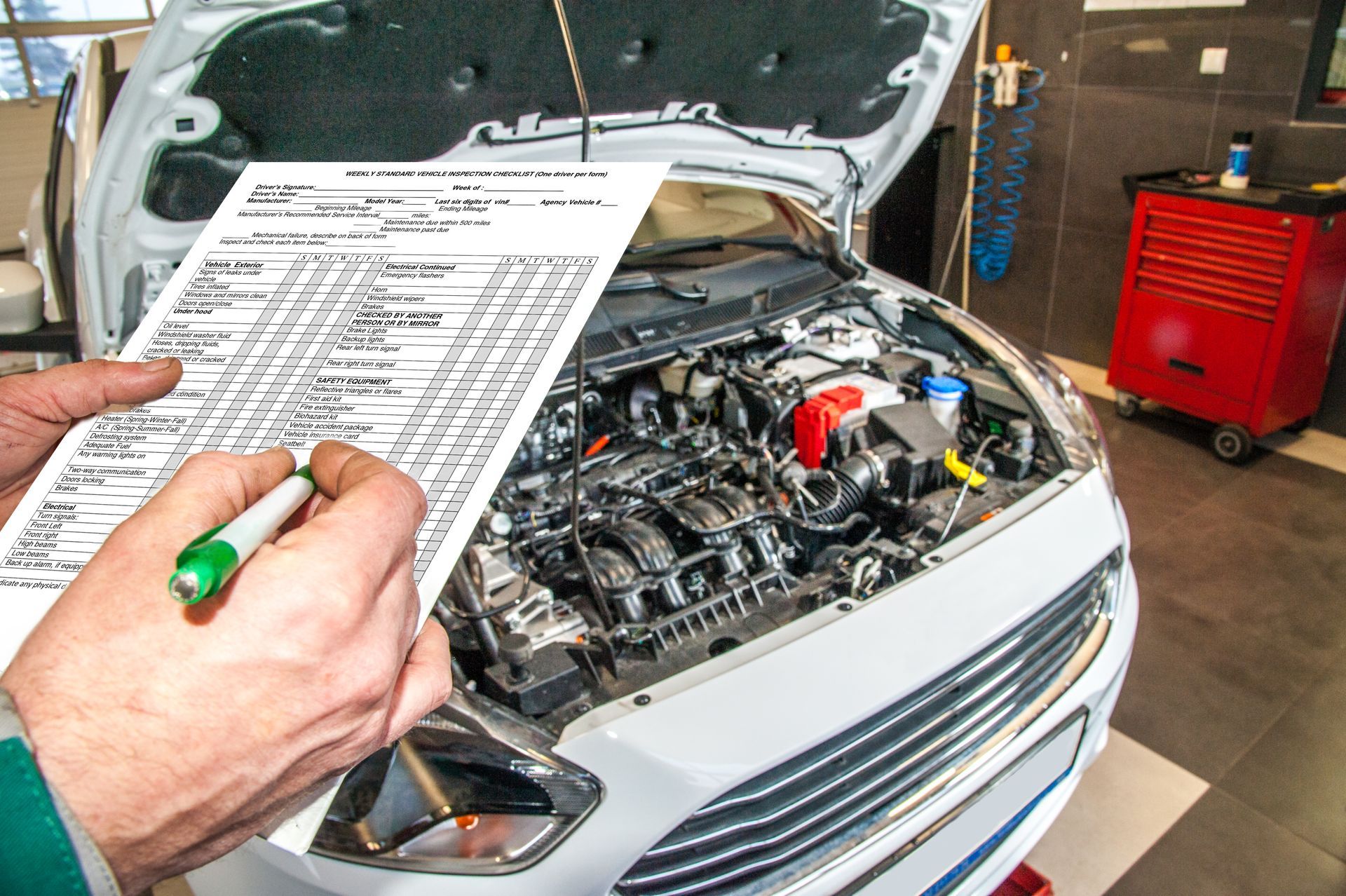
What Our Technicians Check During Car Inspections For Vehicles Driven In Arizona Heat And Long Miles