Once a vehicle has well over 100,000 miles, many drivers start to wonder if they should change the oil more often. The car might burn a little oil between services, feel a bit looser, or have a few more leaks than it did when it was new. High mileage does change what is happening inside the engine, but that does not always mean you need to double your oil change schedule.
The right interval depends on the engine’s condition, how it is driven, and the type of oil you use.
What “High Mileage” Really Means for an Engine
High mileage usually means the engine has seen years of heat cycles, cold starts, and stop-and-go traffic. Internal clearances open up slightly as parts wear, seals harden, and small amounts of carbon build up in ring lands and around valves. None of this means the engine is worn out, but it does change how oil is used and how hard it has to work.
Many high-mileage engines use a little more oil between changes than they did when they were new. They may also create more blow-by, which means more fuel and combustion byproducts end up in the crankcase. That extra contamination is the main reason we look closely at oil condition and level on older vehicles.
How High Mileage Affects Oil and Change Intervals
In a high-mileage engine, oil often has to deal with:
- More fuel dilution from blow-by gases
- Extra contamination from worn components and deposits
- Slightly higher operating temperatures in some areas
- Seals and gaskets that are less effective than when they were new
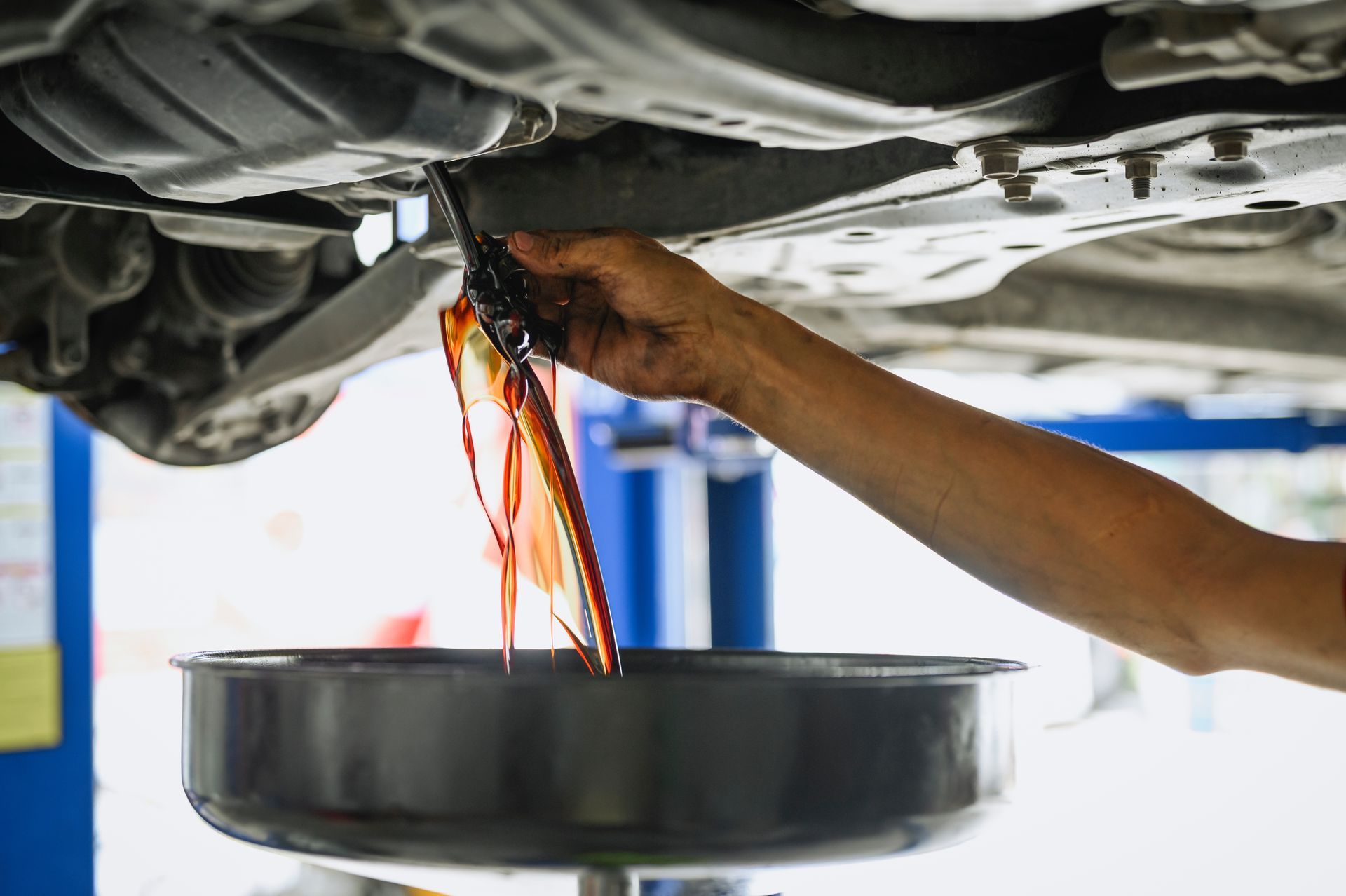
Because of this, long “ideal” intervals that were fine when the car was new may become less realistic. An engine that once handled 7,500 miles between changes may be happier in the 4,000 to 5,000 mile range later in life, especially if most trips are short or in heavy traffic. We often adjust recommendations after seeing how the oil actually looks and how the vehicle is being used.
Signs Your High-Mileage Vehicle May Need Shorter Intervals
You do not have to guess entirely. There are some clear clues that your engine might appreciate more frequent oil changes:
- The oil level on the dipstick drops noticeably between services
- The oil looks very dark and smells like fuel well before the usual interval
- The engine rattles or ticks more on cold start near the end of each oil cycle
- You see sludge or heavy varnish under the oil cap or on visible parts
- The car spends most of its time on short trips where it never fully warms up
If several of these show up together, tightening the interval is usually a smart move. It gives the additives in the oil less time to wear out and reduces the buildup of contamination that older engines produce.
Choosing the Right Oil for High-Mileage Engines
Oil type matters more as miles climb. Many high-mileage engines benefit from a quality synthetic or synthetic blend that has:
- Strong detergents to help keep deposits from getting worse
- Additives meant to condition seals and reduce minor seepage
- A viscosity recommended by the manufacturer that still provides good cold flow
Jumping to a very thick oil just because the engine has aged is not always the best idea. If the oil is too thick, especially when cold, it can starve tight passages on startup. We prefer to stick close to the factory viscosity, then adjust based on how the engine sounds, how it starts, and how much oil it uses between visits.
Owner Habits That Matter Even More With High Mileage
The way you drive a high-mileage vehicle has a big impact on how often the oil should be changed. Lots of short trips, where the engine rarely gets fully hot, allow moisture and fuel to collect in the oil. Long idling periods, heavy towing, and hot-weather traffic are also hard on older engines.
Checking the oil level regularly, especially before long trips, becomes more important as the miles add up. Running low by a quart or two can do more damage to a high-mileage engine than it would to a newer one. When we talk with owners of older vehicles, we like to match oil intervals to their real driving pattern instead of just quoting the original number from when the car was new.
Get High-Mileage Oil Change Service in Phoenix and Flagstaff, AZ with Randy's Downtown Garage
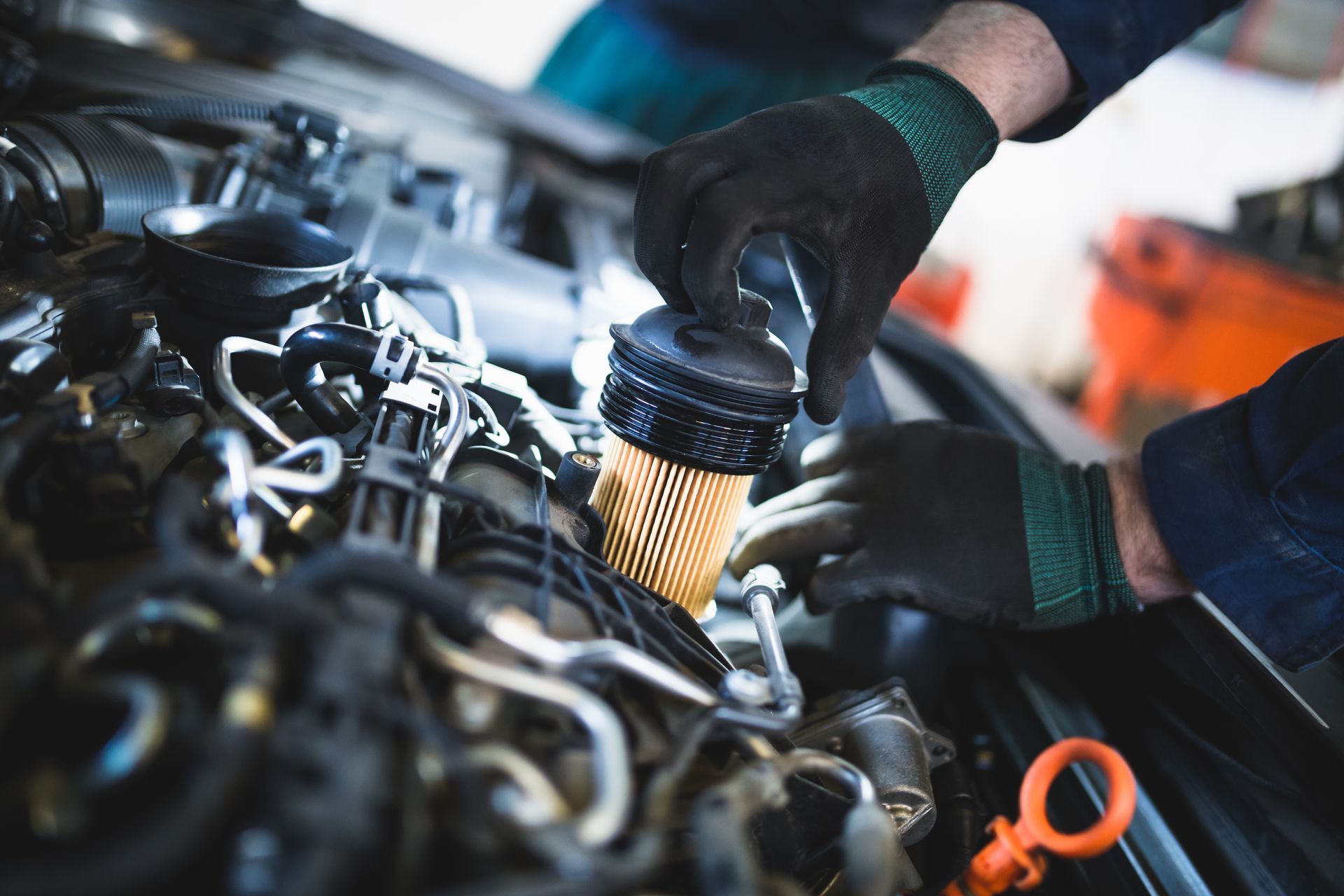
We can inspect your engine, check for leaks and consumption, and set an oil change schedule that fits your high-mileage vehicle instead of treating it like a brand-new car. We use the right oil and filter for your engine and driving conditions so you get the most life out of every mile.
Call
Randy's Downtown Garage in Phoenix and Flagstaff, AZ, to schedule a high-mileage oil change and keep your older vehicle running strong.

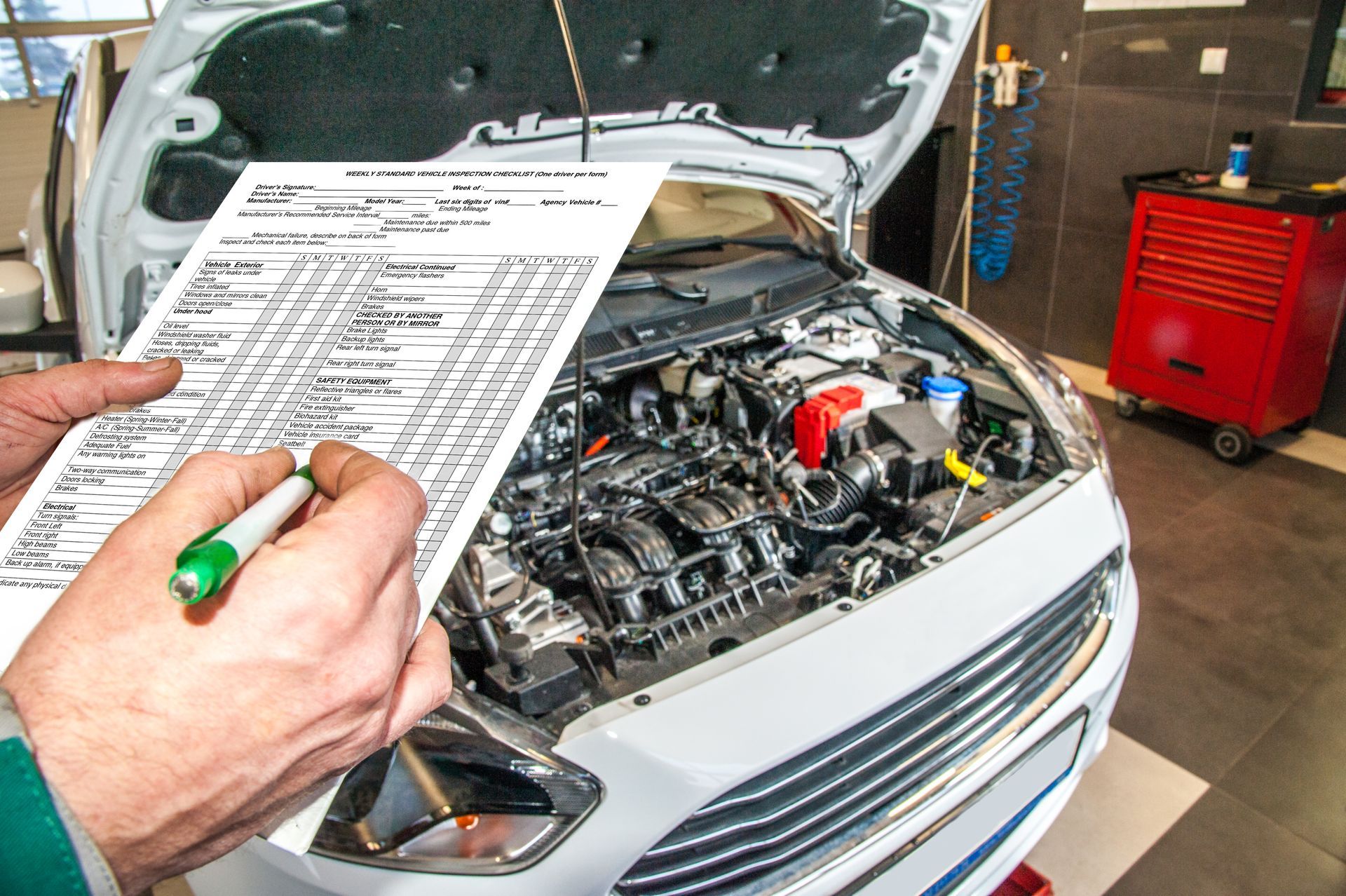
What Our Technicians Check During Car Inspections For Vehicles Driven In Arizona Heat And Long Miles